

Pattern talk fills Big Small chats. Labels can help you name what already happened. Myth starts when a label is sold as tomorrow’s lock.
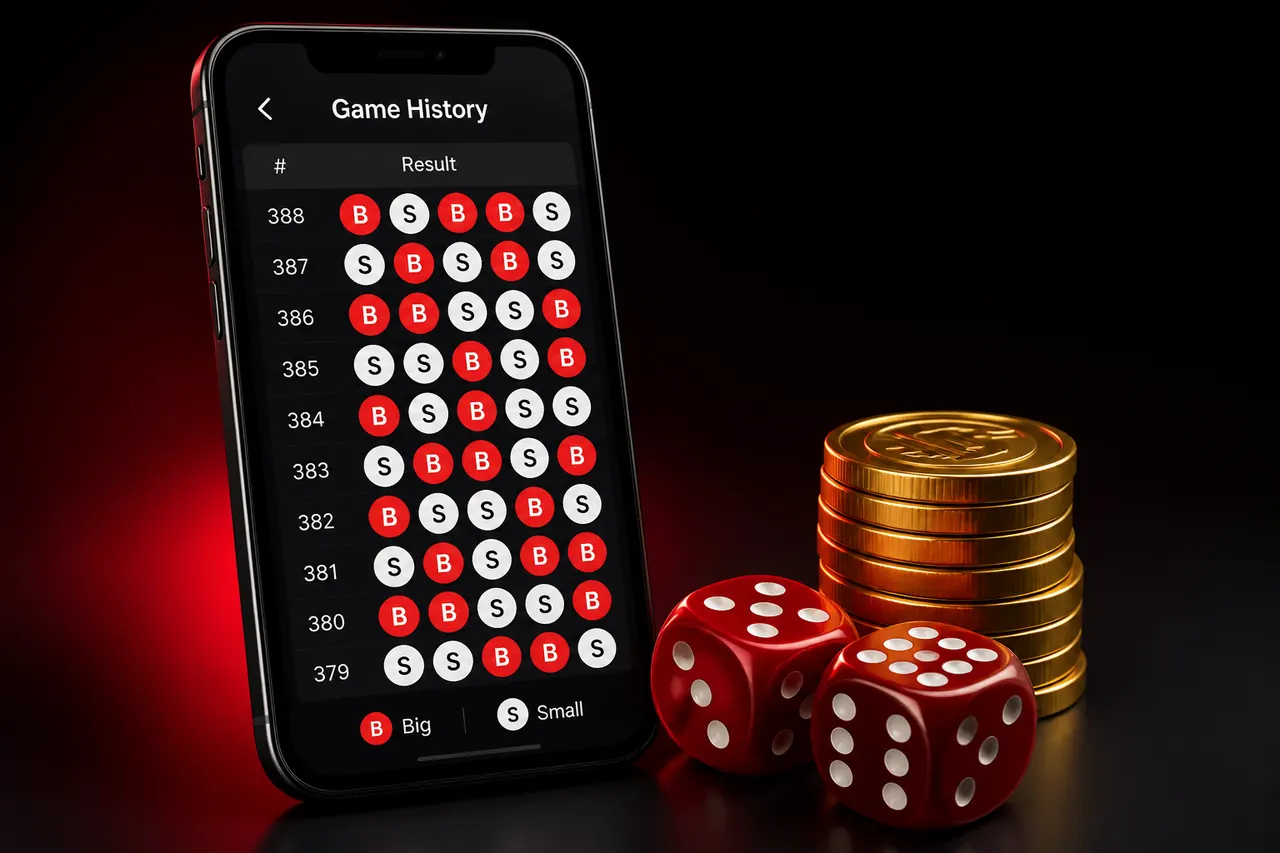
> Each round is independent random. Pattern notes are educational tools, not sure-shot systems.
big small prediction guide
Myths you will hear often
- “Mirror always breaks next”
- “Three same means forced reversal”
- “Alternate pattern is fixed for tonight”
- “This PDF pattern hits 90%”
They sound technical. Live consistency checks usually fail. When someone demands payment for the “full pattern book”, open trick pdf and scam signs.
big small prediction guide
Why overfitting feels convincing
Scan enough history and you can always find a shape that “would have worked”. That is selective memory. Training fights it with pre-committed rules written before the block starts — see prediction guide.
big small prediction guide
Replace pattern worship with a log
For each round in demo or a careful live sample:
| Field | Example |
|---|---|
| Format | WinGo 0–4/5–9 or Royale 3–10/11–18 |
| Choice | Big / Small / skip |
| Rule used | “Skip if under 3s left” |
| Outcome | Win / loss / skip |
| Emotion | Calm / rush / chase |
Review after 20 rounds. If “pattern name” appears more often than “rule used”, you drifted into myth mode.
big small prediction guide
Patterns vs tools vs predictors
A tracker that stores your log is a training aid (prediction tool. A product that outputs the next side as fact is a predictor claim — reject the certainty language even if the UI looks like a study app.
FAQ
Are all patterns useless?
Labels can organise notes. They do not guarantee outcomes.
What is overfitting here?
Seeing a story in random data and assuming it must repeat.
Can one pattern work forever?
No. “Always works” marketing is a red flag.
Should beginners avoid pattern talk entirely?
Read critically, test only in demo, never pay for certainty.
What should I read next?
Random rounds and streaks.